Signs Your Basement or Foundation Needs Waterproofing
Noticing signs your basement or foundation needs waterproofing can indicate issues that local contractors specializing in waterproofing services can help resolve effectively.
Understanding the signs that your basement or foundation may need waterproofing is an important step for property owners concerned about long-term durability and safety. Common indicators, such as persistent dampness, visible water stains, or musty odors, can suggest underlying issues that, if left unaddressed, might lead to more significant damage. Recognizing these early warning signs can help homeowners and landlords decide when to seek professional assistance to protect their investment and maintain a healthy living environment.
For those in the area, exploring waterproofing options often involves connecting with experienced local contractors who specialize in safeguarding foundations against moisture intrusion. These service providers can assess the specific conditions of a property, diagnose potential problems, and recommend effective solutions tailored to the needs of each building. Keeping an eye out for these signs and knowing when to consult local experts can make a meaningful difference in preserving the integrity of a home or commercial space over time.
- Basement waterproofing - homeowners noticing persistent dampness or mold may need this service, which local contractors typically address with interior or exterior sealing methods.
- Foundation waterproofing - signs such as cracking or uneven floors can indicate foundation issues, and local service providers often use drainage systems or waterproof coatings to resolve them.
- Basement leak repairs - recurring water intrusion during heavy rains suggests the need for professional waterproofing solutions from experienced local contractors.
- Crack sealing and waterproofing - visible cracks in walls or floors can compromise basement integrity, prompting local pros to apply specialized sealants and waterproof barriers.
- Drainage system installation - poor drainage leading to water pooling around the foundation can be addressed by local service providers through sump pumps or drainage improvements.
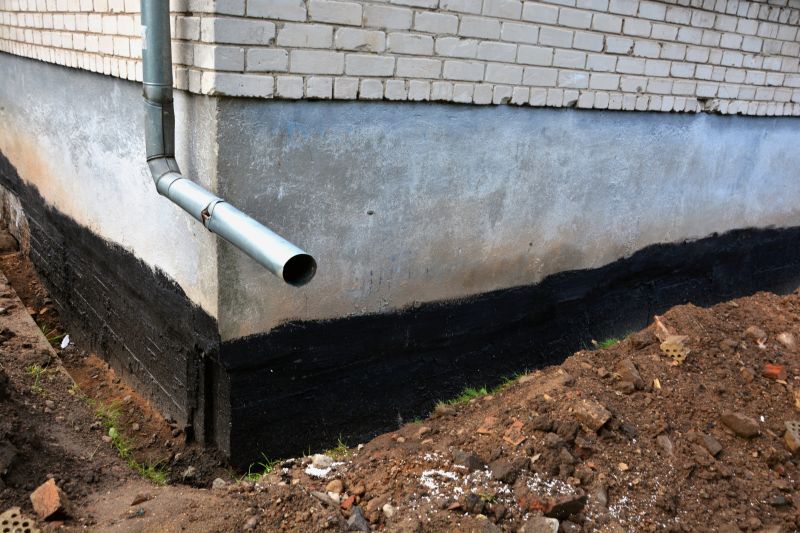
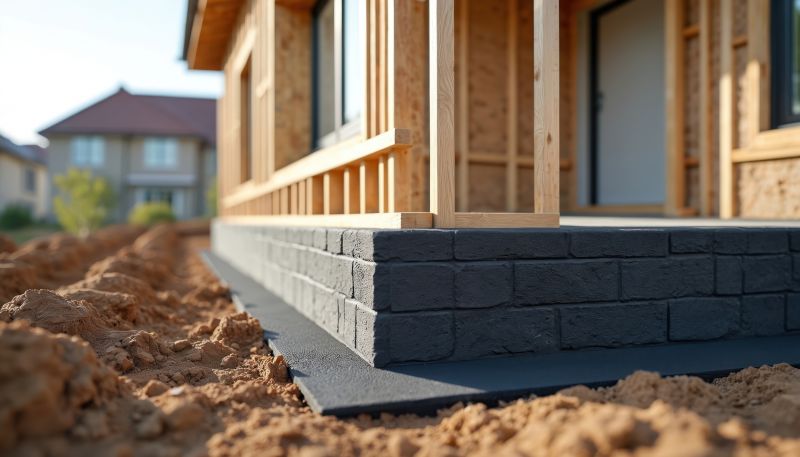
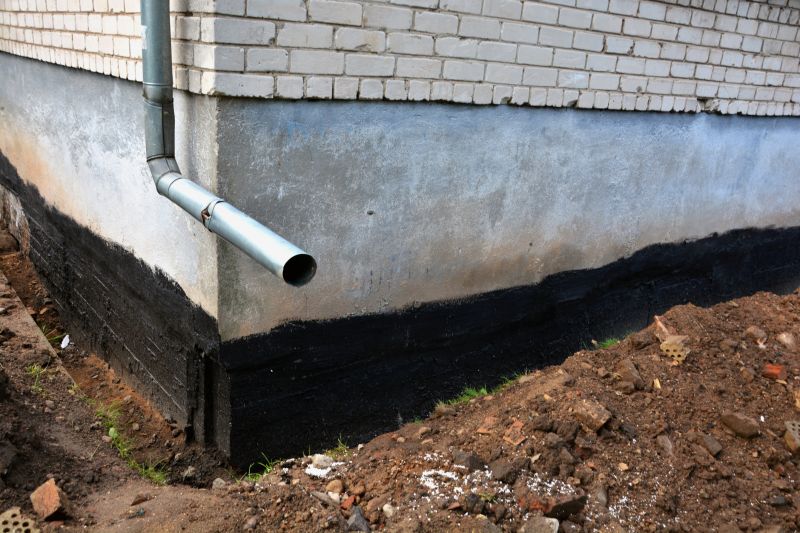
When homeowners search for signs their basement or foundation needs waterproofing, they are usually trying to identify early indicators of moisture problems that could lead to more serious structural or health issues. Common concerns include persistent dampness, water stains on walls or floors, or a musty odor that suggests ongoing moisture intrusion. These signs often emerge after heavy rains or rapid snow melts, prompting property owners to consider waterproofing solutions to prevent further damage. Recognizing these early warning signs can help homeowners plan repairs before issues worsen, making it a key step in maintaining a safe and dry basement environment.
The problems associated with a foundation or basement that requires waterproofing often involve water infiltration, which can cause structural deterioration over time. Water intrusion may lead to cracked or bowed walls, mold growth, or peeling paint and wallpaper on interior surfaces. For property owners, these issues can compromise the integrity of the foundation and increase the risk of costly repairs down the line. Waterproofing plans typically focus on preventing water from seeping through foundation walls or floors, often involving the installation of drainage systems, sealants, or waterproof membranes. Local service providers are equipped to assess these problems and recommend tailored waterproofing strategies to address specific conditions.
Properties that commonly come up in discussions about basement or foundation waterproofing include residential homes, especially those built in areas with high rainfall or fluctuating water tables. Older homes with porous foundation materials or cracks are often more susceptible to moisture issues. Additionally, homes situated on sloped or poorly graded lots may experience water pooling around the foundation, increasing the likelihood of seepage. In some cases, new construction projects may also require waterproofing to ensure long-term durability. These properties typically benefit from the expertise of local contractors who can evaluate the unique conditions of each site and implement effective waterproofing solutions suited to the property's specific needs.
Understanding how local service providers fit into the process of addressing signs your basement or foundation needs waterproofing is essential for homeowners. These professionals can perform thorough inspections to identify vulnerabilities and recommend appropriate measures, such as installing sump pumps, exterior drainage systems, or waterproof coatings. They bring practical knowledge of local soil conditions, climate patterns, and building codes, ensuring that the waterproofing work is effective and durable. Connecting with experienced contractors allows homeowners to compare options, review potential solutions, and choose a plan that best fits their property's requirements. This collaborative approach helps ensure that waterproofing efforts are properly tailored, ultimately protecting the foundation and maintaining a dry, healthy basement environment.
Drainage System Installation - Properly designed drainage systems are essential for preventing water intrusion, a key aspect of waterproofing foundations and basements. Local contractors skilled in drainage can help address water issues that lead to signs of foundation moisture problems.
Foundation Crack Repair - Repairing cracks in foundations often involves similar planning and tools as waterproofing, helping to prevent water from entering through vulnerable areas. Service providers experienced in crack sealing can assist in maintaining basement dryness.
sump pump Installation - Installing or upgrading sump pumps is a common solution to manage excess water around foundations, directly addressing signs of water accumulation and basement flooding. Local pros can ensure proper setup to mitigate water damage.
Waterproofing Membrane Application - Applying waterproof membranes to foundation walls requires knowledge of surface preparation and sealing techniques, which are also used in basement waterproofing projects. Contractors can handle these installations to improve moisture resistance.
Interior Drainage Systems - Installing interior drainage systems involves planning and tools similar to exterior waterproofing, helping to control water pressure and seepage. Local service providers can install these systems to reduce basement moisture issues.
Moisture Barrier Installation - Installing moisture barriers in basements and crawl spaces shares techniques with foundation waterproofing, focusing on preventing water vapor from penetrating interior spaces. Experts can help create a dry, protected environment.
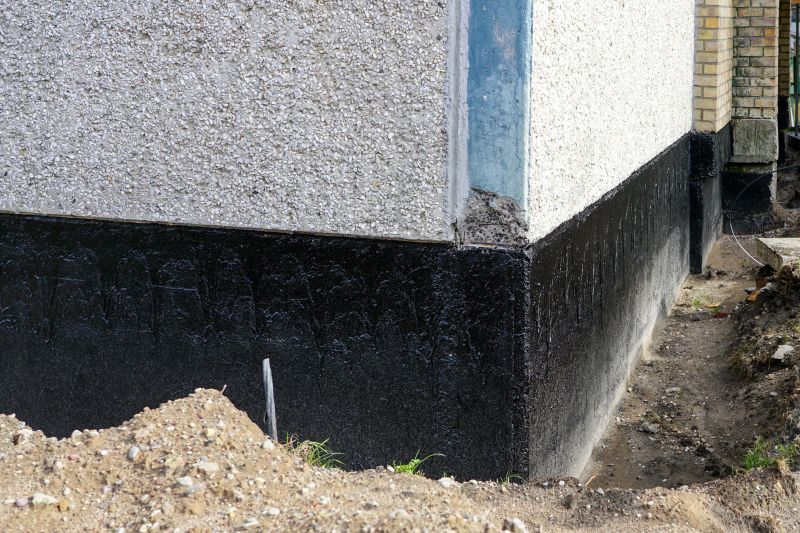
When evaluating local contractors for basement or foundation waterproofing, it is important to consider their experience with similar projects. Homeowners should seek out service providers who have a proven track record of handling waterproofing issues comparable to the signs observed in their own homes. A contractor's familiarity with specific foundation types, soil conditions, and common waterproofing challenges can provide confidence that they understand the nuances of the work. Asking for examples of past projects or references related to waterproofing can help gauge their expertise and ensure they have successfully addressed issues like persistent dampness, water intrusion, or foundation cracking.
Clear written expectations are essential when comparing service providers for waterproofing services. Homeowners should look for contractors who provide detailed proposals outlining the scope of work, materials to be used, and the steps involved in addressing signs your basement or foundation needs waterproofing. Transparent communication about what the project entails helps prevent misunderstandings and ensures that all parties are aligned on the process. Well-documented plans also serve as a reference point throughout the project, making it easier to track progress and verify that the work meets agreed-upon standards.
Reputable references and effective communication are key factors when choosing local contractors for waterproofing. Service providers who can offer verifiable references or testimonials from previous clients demonstrate a history of reliable work. Additionally, good communication throughout the process-prompt responses to questions, clear explanations of procedures, and openness to discussing concerns-can significantly impact the overall experience. Homeowners should prioritize contractors who are approachable and willing to provide information, as this indicates a professional commitment to transparency and customer service, which can be crucial when addressing signs your basement or foundation needs waterproofing.
Property owners often search for signs your basement or foundation needs waterproofing when they are planning practical projects around their homes and businesses. Local pros provide Basement or Foundation Waterproofing services for everyday jobs and straightforward project options.
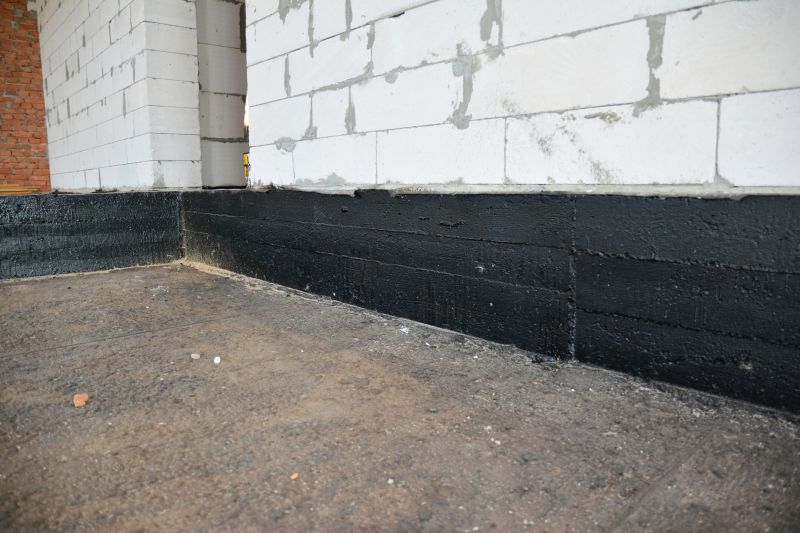
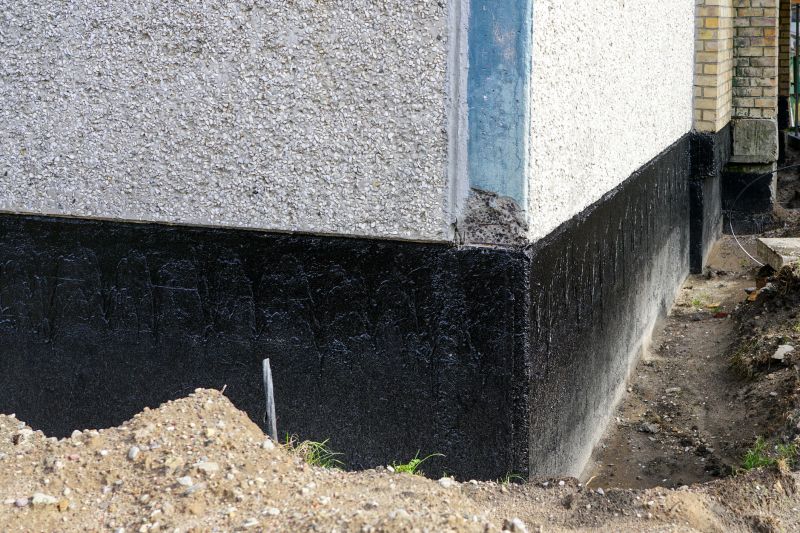
Many property owners in the area notice signs that their basement or foundation may need waterproofing after experiencing common issues like persistent dampness, musty odors, or visible water stains on walls and floors. These signs often appear during heavy rain or snowmelt, prompting homeowners to seek professional help to prevent further damage. Recognizing early indicators such as peeling paint, efflorescence (white mineral deposits), or small cracks can be an important step toward addressing potential water intrusion problems before they worsen.
In addition to visible signs, some property owners might observe more subtle clues that point to underlying waterproofing needs, such as increased humidity levels or mold growth in basement spaces. When these issues arise, local contractors who specialize in waterproofing can assess the situation and recommend appropriate solutions. Connecting with experienced service providers can help ensure that basements stay dry and foundations remain stable, especially in areas prone to moisture-related challenges.
What are common signs that a basement or foundation needs waterproofing? Indicators include persistent dampness, water stains on walls or floors, mold growth, musty odors, and visible efflorescence or mineral deposits.
How can I tell if my foundation has water damage? Visible cracks, buckling or bulging walls, and water pooling around the foundation are signs that a foundation may need waterproofing services from local contractors.
What does it mean if I notice water leaking through basement walls? Water leakage suggests inadequate waterproofing or drainage issues that require assessment and repair by experienced service providers.
Are there signs of ongoing moisture problems in my basement? Yes, ongoing moisture, such as condensation on walls or persistent dampness, often indicates the need for waterproofing solutions from local specialists.
How do I know if my foundation is at risk of future water issues? Signs like cracking, shifting, or uneven floors, combined with moisture problems, can signal that foundation waterproofing may be necessary to prevent future damage.
Visible water stains or damp patches - noticing water marks or persistent dampness on basement walls can signal the need for waterproofing services from local contractors.
Musty odors or mold growth - detecting mold or a persistent musty smell in the basement area may indicate moisture issues that require professional waterproofing solutions.
Cracks or bulges in foundation walls - observing cracks or outward bulging in foundation walls can suggest structural concerns that local service providers can address through waterproofing methods.
Water pooling or flooding after rain - experiencing water accumulation in the basement or around the foundation following storms highlights the importance of waterproofing from experienced local contractors.
If you are thinking about signs your basement or foundation needs waterproofing for a property, this guide is meant to help you understand this topic, the typical project types, and how different options might fit your plans.
When you are ready, you can use the quote form on this page to share a few details about your project. From there, local pros can review the basics and follow up with options that match what you have in mind.